SEO vs SEM: The Complete Guide
What each term means, how organic and paid search differ, and how to combine them into one search strategy.

SEO and SEM are two ways to win visibility in search, and the confusion between them costs businesses real money. This guide untangles the terms, shows how organic and paid search work together, and helps you decide where to put your budget and effort.
The short version
- SEM (search engine marketing) is the umbrella. It covers earning visibility through paid ads and, in the broad definition, organic SEO too.
- SEO is the organic, unpaid side: you earn rankings with content, technical health, and authority instead of buying them.
- In everyday agency use, "SEM" often means paid search specifically, while "SEO" means the organic work. Context decides which meaning applies.
- They are complementary, not rivals. Paid search buys instant reach; SEO builds durable traffic. Most serious search strategies use both.
Clearing up the terms
The words get muddled because the industry uses them two ways. In the broad, textbook definition, search engine marketing is a form of internet marketing that promotes websites by increasing their visibility in search results, primarily through paid advertising, and SEM is the wider discipline that incorporates SEO. In this reading, SEO is one component inside SEM.
In the narrower, everyday sense that many agencies use, "SEM" is shorthand for paid search, the ads at the top of the results, while "SEO" refers to the organic listings below them. Neither usage is wrong. When someone says SEM, it is worth a quick check of which meaning they intend. For the organic side in depth, see our complete SEO guide.
How organic and paid search differ

Both aim to put you in front of searchers, but they behave very differently.
- Speed. Paid ads can appear the day you launch a campaign. SEO takes weeks or months to build.
- Cost model. With paid search you pay per click and traffic stops when the budget stops. With SEO the traffic keeps coming after the work is done.
- Durability. An ad's benefit is rented; an organic ranking is more like an owned asset that compounds.
- Trust. Some users skip ads and click organic results, while others click the top ad without noticing the difference. You want to be present in both.
Seen this way, they are not competitors fighting over the same job. They are tools for different jobs, which is why blending them usually beats choosing one. Think of paid search as a tap you can open and close for immediate flow, and SEO as a well you dig once that keeps supplying water afterward. A business that only rents its traffic pays forever; a business that only waits for organic growth may run dry before the well fills. The sensible middle uses the tap while the well is being dug, then eases off as the organic supply grows.
Why the two work better together
The smartest search strategies let SEO and paid search feed each other. Paid campaigns produce fast data on which keywords and messages actually convert, and you can pour that insight into your organic content so it targets terms you know pay off. Meanwhile strong organic rankings can lower your reliance on paid clicks over time, freeing budget for testing new markets.
Owning both the top ad slot and a high organic result for an important query also increases the share of the page you occupy, which can lift total clicks. This is why treating SEM as a single connected effort, rather than two rival teams, tends to produce the best return. Our guide to search engine marketing goes deeper on the paid side, and our SEO and digital marketing guide shows how both fit a wider plan.
Tip
Use paid search as a keyword laboratory. Because ads give you conversion data in days rather than months, you can discover which search terms actually lead to sales before committing to the slower work of ranking for them organically. It is one of the most practical ways the two channels support each other.
When to lean on SEO
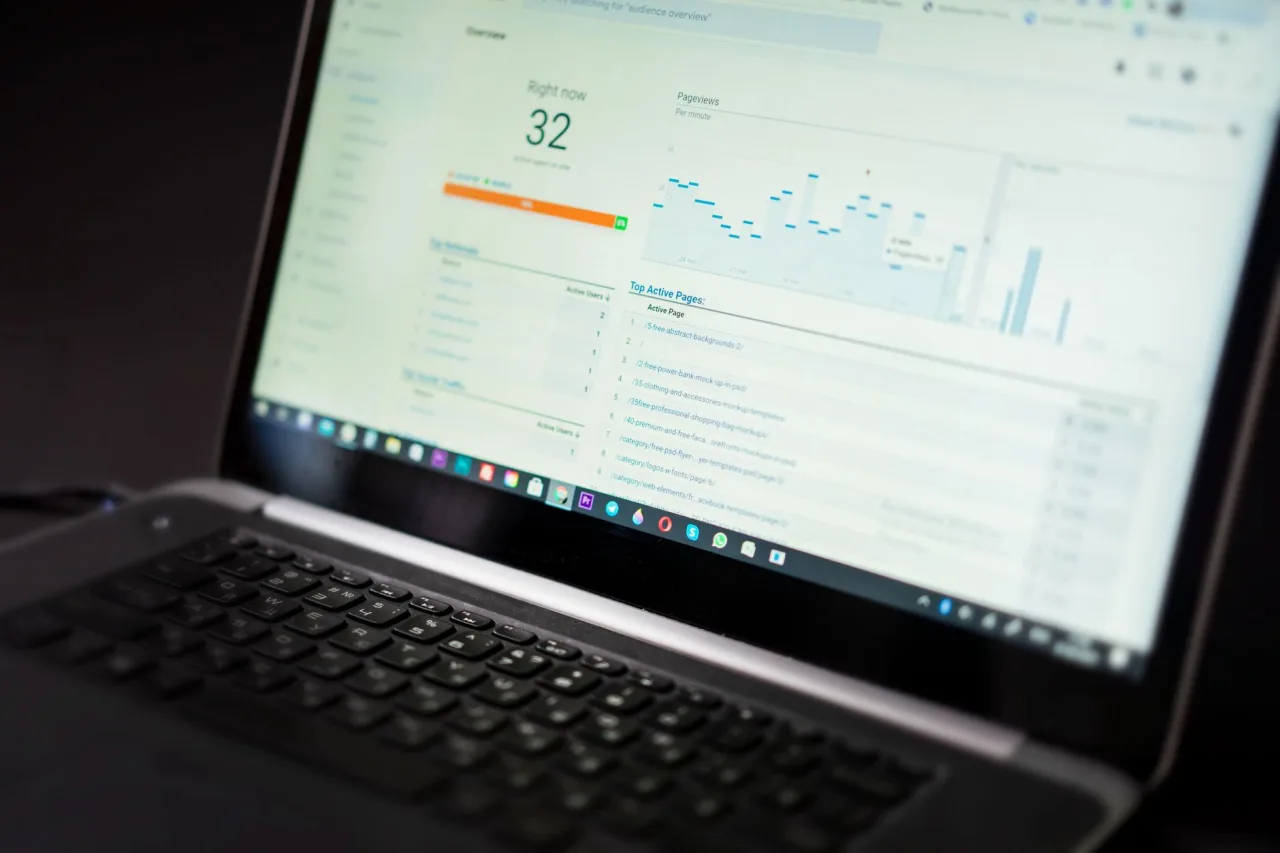
SEO earns its place when you can afford to wait for compounding returns and want traffic that does not vanish when spending pauses. It suits content-led businesses, informational queries, and anyone building a long-term brand. The upfront tools are free: Google Search Console and Bing Webmaster Tools for indexing data, Google PageSpeed Insights for speed, and the free tier of Screaming Frog SEO Spider for crawling. Before investing heavily, run an SEO site checkup so paid traffic and organic effort both land on a healthy site.
The trade-off is patience. SEO rewards consistency over months, so it is a poor fit if you need customers this week and have no existing rankings to build on.
When to lean on paid search
Paid search shines when you need traffic now: a product launch, a seasonal push, a new site with no organic footprint, or a market so competitive that ranking organically would take a year. It also gives precise control over who sees your message and when, and it turns off the moment you decide to stop.
The catch is that the traffic is rented. Stop paying and it disappears, and in crowded auctions the cost per click can climb faster than the returns. That is exactly why most businesses pair it with SEO rather than relying on it forever.
Building a combined SEM plan
A practical plan does not force a choice. It sequences the two:
- Fix the site first. Both channels send people to your pages, so clear broken links and slow pages before spending on either.
- Start paid for fast learning. Run focused ads to discover which keywords and offers convert.
- Feed insights into SEO. Build organic content around the terms that proved profitable, using solid keyword research.
- Rebalance over time. As organic rankings grow, shift budget from defending easy terms toward testing new opportunities.
This turns SEM from an either-or debate into a single loop where each channel makes the other more effective. For the broader context, our marketing strategy playbook shows where search fits alongside email, social, and content.
Measuring SEO and SEM fairly
The two channels are easy to compare unfairly because they report on different timescales. Paid search shows near-instant numbers: clicks, cost per click, and conversions within days. SEO's return builds slowly and is harder to attribute, so it can look weak in a short window even when it is your best long-term investment. Judge each on its own terms.
- For paid search, track cost per acquisition and return on ad spend. If a campaign is not profitable after a fair test, pause it and reallocate.
- For SEO, track trends over quarters, not days: organic clicks, rankings for target terms, and the growth of pages that bring qualified traffic. Google Search Console is the free, authoritative source for this.
The mistake to avoid is starving SEO because it does not show results as fast as ads. The channels answer different questions, and a healthy program funds both according to the job each does best. Grounding your organic work in Google's own SEO Starter Guide keeps the fundamentals honest.
Frequently asked questions
What is the difference between SEO and SEM?
SEO is the organic, unpaid side of search: you earn rankings through content, technical health, and authority. SEM, or search engine marketing, is the wider discipline that increases visibility in search results primarily through paid advertising, and in its broad definition it includes SEO too. In everyday agency use, SEM often means paid search specifically while SEO means the organic work.
Is SEO part of SEM?
In the broad, textbook definition, yes. Search engine marketing is the wider discipline that incorporates SEO, so organic optimization is one component within it. In narrower everyday usage, people separate SEM as paid search from SEO as organic search. Which meaning applies depends on context, so it is worth confirming when the term comes up.
Should I invest in SEO or SEM first?
It depends on your timeline. If you need traffic quickly, paid search delivers it almost immediately, while SEO takes weeks or months to build but keeps working after the work is done. Many businesses start with paid to learn which keywords convert, then invest in SEO to target those terms organically and reduce long-term ad costs.
Is SEM the same as paid search or Google Ads?
Not exactly, though they overlap. In the narrow everyday sense, SEM is used as shorthand for paid search, which includes platforms like Google Ads. In the broad definition, SEM is a wider umbrella that also covers organic SEO. Google Ads is one tool used within the paid side of SEM rather than the whole of it.
Can I do SEM without paying for ads?
If you use the broad definition of SEM that includes SEO, then yes, you can pursue organic visibility without ad spend using free tools like Google Search Console and Google PageSpeed Insights. If you mean SEM in the narrow sense of paid search, then by definition it involves paying for ads. Clarifying which meaning you intend avoids confusion.
Authoritative reference used in this guide: the Wikipedia overview of search engine marketing.
More on SEO Strategy & Basics
Have a question or a topic to suggest?
We read every message. Tell us what you would like to see next.
Get in touch