SEO: The Complete Guide
Content, technical health, and links: the three pillars of search engine optimization, plus the free tools to start.

SEO is the practice of helping search engines find, understand, and confidently recommend your pages, so the right people reach you without you paying for every click. This complete guide breaks SEO into the parts that actually move rankings: content, technical health, and links, and shows you the free tools and honest habits that make it work.
The short version
- SEO stands for search engine optimization: earning unpaid, organic visibility in results like Google and Bing.
- It rests on three pillars: useful content, a crawlable and fast site, and credible links from other sites.
- Google's own guidance says compelling, original content influences rankings more than any single technical tweak.
- You can do real SEO with free tools: Google Search Console, PageSpeed Insights, and Bing Webmaster Tools.
What SEO is and how search actually works
SEO, or search engine optimization, is the work of improving a website so it appears higher in the unpaid results of search engines. Those free listings sit apart from ads, and they are earned through relevance and trust rather than bought.
To optimize sensibly you need a mental model of how search works in three stages. First, crawling: search engines follow links to discover pages. Google's SEO Starter Guide notes that "Google primarily finds pages through links from other pages it already crawled," which is why internal links and a sitemap matter. Second, indexing: the engine analyzes each page's content and stores it. Third, serving: when someone searches, the engine ranks stored pages by hundreds of signals and returns the most useful ones.
Every SEO task maps to one of those stages. If a page cannot be crawled or indexed, no amount of keyword work will rank it, so technical health comes first.
The three pillars of SEO

Almost everything in SEO fits into three buckets. Balance beats obsession with any single one.
- Content and on-page SEO: creating pages that genuinely answer a query, with clear titles, headings, and internal links.
- Technical SEO: making the site fast, crawlable, mobile-friendly, and free of errors that block indexing.
- Off-page SEO: earning links and mentions from other credible sites, which act as votes of confidence.
Strong content with no links struggles to compete; strong links to a slow, broken site waste their value. The winners get all three roughly right.
On-page SEO: content that earns rankings
Content is the pillar Google emphasizes most. The SEO Starter Guide is blunt: "Creating content that people find compelling and useful will likely influence your website's presence in search results more than any of the other suggestions in this guide." Practically, that means:
- Match search intent. Understand whether the query wants a definition, a comparison, a how-to, or a product, and give exactly that.
- Write a clear title tag and meta description. These shape how your result looks and whether people click.
- Structure with real headings. Logical H2s and H3s help readers skim and help engines understand the page.
- Add helpful internal links. Point readers to related depth, like our keyword research guide, so both users and crawlers can travel your site.
Ignore old myths. Google's guide directly debunks the idea that keyword density, keywords in the domain name, or a magic word count meaningfully change rankings.
Tip: Write for the person, then optimize for the engine, in that order. If a page truly answers the question better than the current top results, the technical polish has something worth ranking.
Keyword research: choosing what to target
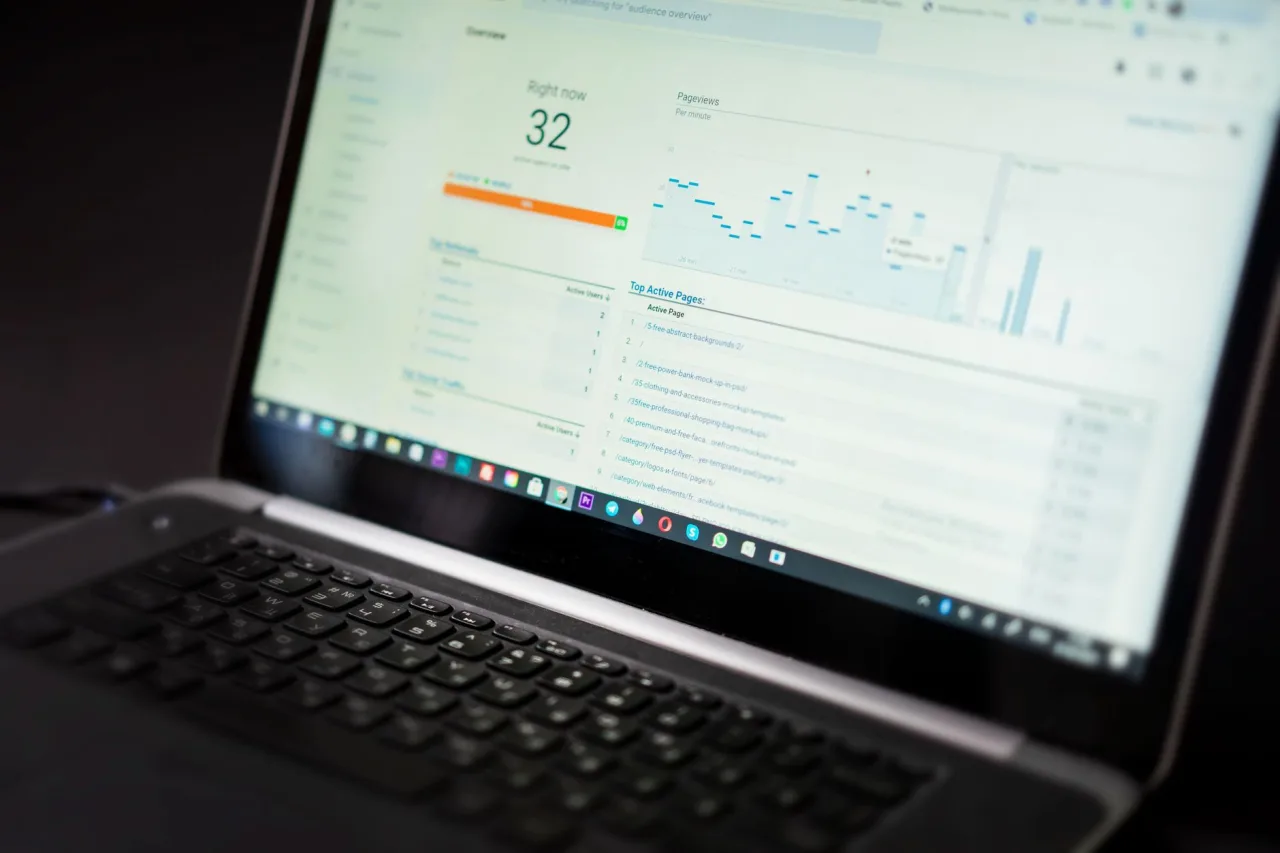
Keyword research is how you decide which queries to build pages around. The aim is to find terms with real demand and realistic competition, then group them by intent so one strong page can serve a whole cluster.
Free tools go a long way. Google Search Console shows the queries you already rank for, which is the best source of proven demand for an existing site. Free keyword tools such as the Ahrefs free Keyword Generator surface related phrases, questions, and volume estimates. For the full workflow, see our dedicated key word research guide and our overview of SEO keywords.
Technical SEO and site health
Technical SEO removes the obstacles between your content and the index. The essentials are stable and worth learning once:
- Crawlability: a clean robots.txt and an XML sitemap so engines can find and reach pages.
- Indexation: no accidental noindex tags or blocked resources on pages you want ranked.
- Canonical tags: when similar pages exist, a rel="canonical" tells Google which URL to treat as the main one. Google calls a redirect or canonical annotation "a strong signal" for consolidating duplicates.
- Broken links and 404s: dead links waste crawl budget and frustrate users. Fix or redirect them, and see our broken links guide for a repeatable process.
- Speed and Core Web Vitals: Google measures real-world loading (LCP), responsiveness (INP), and visual stability (CLS). Targets are an LCP under 2.5 seconds, INP of 200 milliseconds or less, and CLS of 0.1 or less.
For a deeper walkthrough of those speed metrics, read our Core Web Vitals guide.
Off-page SEO and links
Off-page SEO is mostly about links from other sites, which search engines read as endorsements. Quality and relevance beat volume: a handful of links from respected sites in your field outweigh hundreds from unrelated, low-trust pages.
The durable way to earn links is to publish things worth citing: original research, genuinely useful guides, and clear tools. Avoid buying links or joining link schemes, which violate search engine guidelines and risk penalties. To go deeper, start with our backlinks guide.
Free SEO tools and how to measure progress
You can run a serious SEO program without paying for anything at the start:
- Google Search Console: the single most important free tool, showing impressions, clicks, index status, and issues. Our Search Console guide covers setup and every core report.
- Google PageSpeed Insights: free Core Web Vitals and performance diagnostics for any URL.
- Bing Webmaster Tools: a free second view of crawling, indexing, and keyword data.
- Free on-page checkers: quick audits of titles, headings, and metadata. Our SEO checker guide explains how to read and act on each finding.
Measure the right things. Track organic clicks and impressions in Search Console, rankings for a small set of target queries, and conversions from organic traffic. SEO is slow: meaningful movement usually takes months, not days.
Warning: Be skeptical of anyone promising instant number-one rankings or selling "secret" ranking tricks. Google's algorithms change constantly and no one can guarantee a position. Sustainable SEO is a compounding investment, not a hack.
Frequently asked questions
What does SEO stand for?
SEO stands for search engine optimization. It is the practice of improving a website so it earns higher visibility in the unpaid, organic results of search engines like Google and Bing, without paying for each click the way you would with ads.
How long does SEO take to work?
SEO is a long-term investment. Most sites see meaningful movement over several months rather than days, because search engines need time to crawl, index, and build trust in new or improved content. Competitive topics take longer than niche ones.
Can I do SEO for free?
Yes. You can run real SEO using free tools: Google Search Console for performance and indexing, Google PageSpeed Insights for speed, and Bing Webmaster Tools for a second search engine's view. Paid tools add scale and convenience but are not required to start.
What matters most in SEO?
Useful, original content matters most. Google's own guidance states that compelling, helpful content influences your search presence more than any other single factor. Technical health and quality links then help that content get found and trusted.
Is SEO better than paid ads?
They serve different needs. Paid ads deliver instant traffic that stops when you stop paying, while SEO builds compounding, unpaid visibility that takes time to grow. Most businesses use both: ads for speed and SEO for durable, lower-cost traffic over time.
More on SEO Strategy & Basics
Have a question or a topic to suggest?
We read every message. Tell us what you would like to see next.
Get in touch