SEO Keywords: The Complete Guide
Keyword types, search intent, and on-page placement explained, plus the common mistakes that quietly hurt rankings.
Keywords are the words and phrases people type into a search engine, and they are the bridge between what your audience wants and the pages you publish. Getting search engine optimization keywords right is less about cramming phrases onto a page and more about understanding the different types of keywords and placing them where they genuinely help readers and search engines.
The short version
- SEO keywords come in types: head terms, long-tail phrases, and keywords sorted by search intent.
- Long-tail keywords are longer, more specific, lower in volume, and usually much easier to rank for.
- Placement matters: titles, headings, the opening paragraph, URLs, and image alt text carry the most weight.
- Google does not use the keywords meta tag, and keyword stuffing hurts rather than helps.
What are SEO keywords?
An SEO keyword is any word or phrase you want a page to be found for in organic search results. It can be a single word, but far more often it is a short phrase. The goal is to identify the language your audience actually uses, then create content that answers those queries better than the competition.
Keywords are the starting point of nearly every SEO campaign because they reveal demand. If nobody searches for a topic, ranking first for it brings no traffic. If thousands of people search for it every month, a strong page can become a steady source of visitors. This is why keyword work sits at the foundation of the wider practice of Google SEO.
The main types of keywords

Understanding keyword types helps you build a balanced strategy instead of chasing only the biggest terms.
- Head keywords: short, broad, high-volume terms like "shoes" or "seo." They attract huge traffic but are fiercely competitive and vague in intent.
- Body keywords: two or three word phrases with moderate volume and competition, like "running shoes" or "seo keywords."
- Long-tail keywords: longer, specific phrases like "best trail running shoes for flat feet." Lower volume, but higher intent and far easier to rank for.
Most sites should build the bulk of their content around body and long-tail keywords. The traffic from many specific pages adds up, and those visitors are usually closer to taking action.
Sorting keywords by search intent
Beyond length, every keyword carries an intent, the reason someone searches it. Matching your page to that intent is essential.
- Informational: the searcher wants to learn ("how to fix broken links").
- Navigational: they want a specific brand or page ("search console login").
- Commercial: they are comparing options ("best free seo tools").
- Transactional: they are ready to act ("buy running shoes online").
A page built for one intent rarely ranks for another. If someone searching "what are seo keywords" lands on a product page, they bounce, and Google notices. Deciding which intent a keyword serves is a core part of SEO keyword analysis.
How to find the right keywords
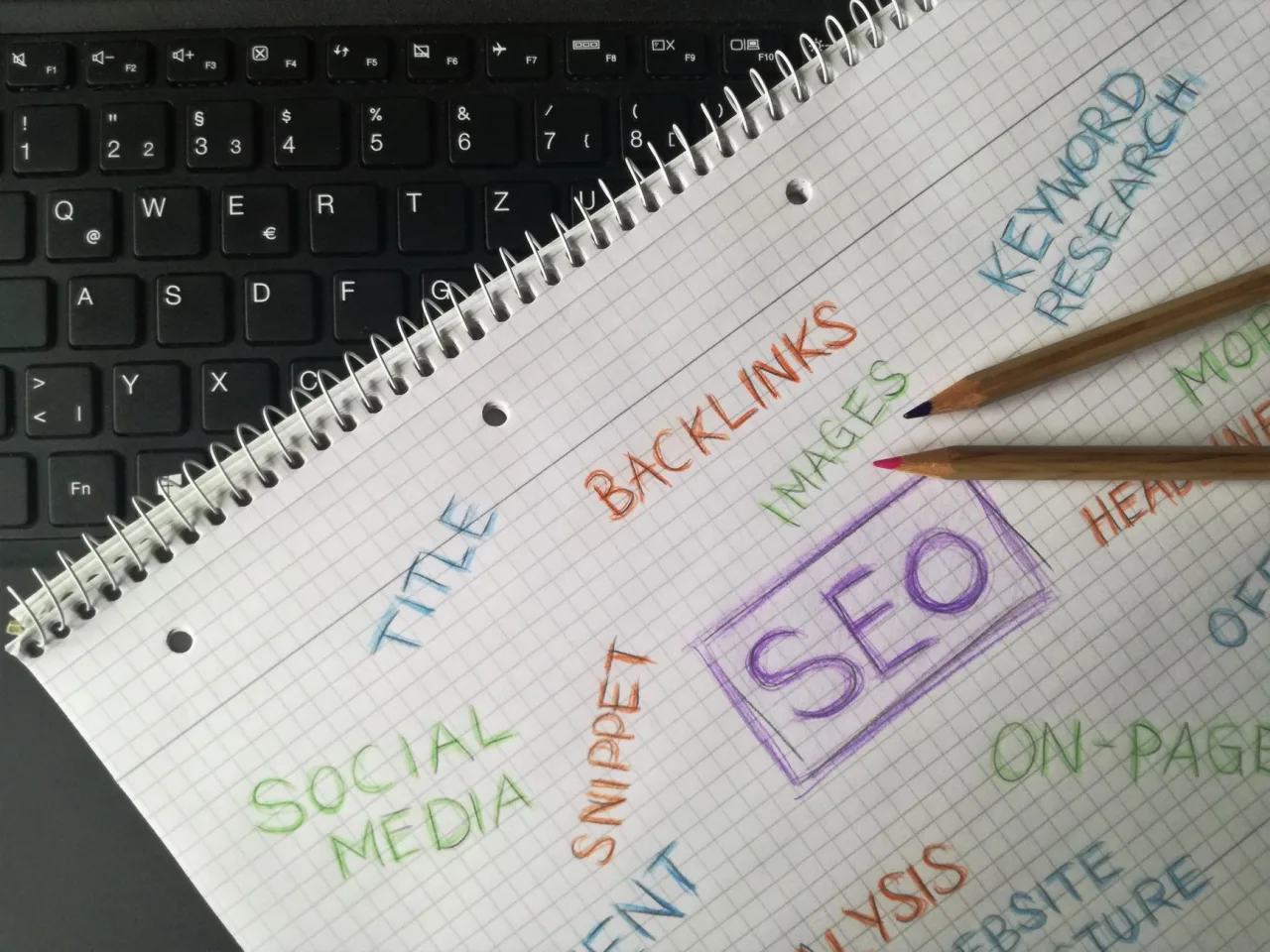
Start with seed terms that describe your topic, then expand them into a broader list using research tools.
- Brainstorm the words a customer would use, not the jargon you use internally.
- Expand each seed with a tool such as Google's Keyword Planner, which shows related ideas and monthly search estimates.
- Mine autocomplete and the "People also ask" and "Related searches" boxes for real phrasing.
- Check what you already rank for in Google Search Console and look for near-miss terms on page two.
A structured free keyword research workflow keeps this step organized and repeatable instead of a scattered list of guesses.
Tip: prioritize keywords you can actually win
A newer site should favor long-tail keywords with clear intent over broad head terms. Ranking on page two for a specific phrase you can win beats ranking nowhere for a competitive one-word term.
Where to place keywords on a page
Once you have chosen a primary keyword and a few supporting terms, placement is what tells search engines what the page is about. The highest-impact locations are:
- Title tag: the single most important on-page element. Include the primary keyword near the front, written naturally.
- H1 and subheadings: use the primary keyword in the main heading and supporting terms in H2s where they fit.
- Opening paragraph: mention the topic early so both readers and crawlers confirm relevance quickly.
- URL slug: keep it short and descriptive, using the core phrase.
- Image alt text: describe the image accurately, working in a keyword only when it fits the description.
- Body copy: use the primary term and natural variations throughout, without forcing a target count.
Google's SEO Starter Guide confirms that placing relevant words in prominent locations like titles and headings helps, while the keywords meta tag carries no ranking weight at all. For a deeper look at how tags factor into on-page SEO, see our guide to meta tags.
Keyword mistakes that hurt rankings
A few common errors quietly undermine otherwise good content.
- Keyword stuffing: repeating a phrase unnaturally. Google's documentation calls this tiring for users and it can lower rankings.
- Targeting one keyword per page too literally: real pages should cover a cluster of related terms, not a single phrase.
- Ignoring intent: optimizing a page for a keyword whose searchers want a different type of content.
- Cannibalization: creating several pages that all chase the same term, forcing them to compete with each other.
- Chasing volume alone: high-volume terms with no business relevance bring visitors who never convert.
Warning: write for people first
Keywords guide your topic and structure, but the content must read naturally for a human. Search engines increasingly reward pages that satisfy the reader, so never sacrifice clarity to hit a phrase again.
Turning keywords into a content plan
The point of all this work is a plan you can execute. Group your keywords into topic clusters, assign one primary keyword and a handful of supporting phrases to each planned page, and map the intent so you choose the right format. Prioritize clusters that balance reachable difficulty with real business value, and publish the easy wins first.
Keywords are not a one-time exercise. Refresh your list every few months, watch for new phrases your audience adopts, and revisit terms that were once too competitive as your site earns authority. Explore related terms and formats in our companion guide to SEO keywords to keep the strategy current.
Frequently asked questions
What are SEO keywords?
SEO keywords are the words and phrases people type into search engines that you want your pages to be found for. They reveal what your audience is looking for, and building content around the right keywords is the foundation of getting organic search traffic.
What is the difference between head and long-tail keywords?
Head keywords are short, broad, high-volume terms that are very competitive and vague in intent. Long-tail keywords are longer, more specific phrases with lower volume but clearer intent and much lower competition, which makes them easier for newer sites to rank for.
Where should I place keywords on a page?
The highest-impact locations are the title tag, the H1 and subheadings, the opening paragraph, the URL slug, and image alt text, plus natural use throughout the body. Placing the primary keyword in these prominent spots helps search engines confirm what the page is about.
Does the keywords meta tag still matter?
No. Google confirms in its SEO documentation that it does not use the keywords meta tag for ranking. Your effort is far better spent on strong titles, headings, and genuinely helpful content than on filling out a tag search engines ignore.
Is keyword stuffing bad for SEO?
Yes. Repeating a keyword unnaturally to influence rankings is keyword stuffing, which Google describes as tiring for users and which can lower rankings. Use your primary keyword and natural variations where they fit, and always write for the reader first.
More on Keyword Research
Have a question or a topic to suggest?
We read every message. Tell us what you would like to see next.
Get in touch