Digital Marketing Firms: Complete Guide
Understand the types of firm, judge them on real evidence, and know when to keep the work in-house.

A digital marketing firm helps a business grow online, from search and social to content, ads, and analytics. But "digital marketing firm" covers everything from a one-person freelancer to a global agency, and picking the wrong fit wastes money fast. This complete guide explains what these firms actually do, the different types, how to choose one, and when you might be better off keeping the work in-house.
The short version
- A digital marketing firm is a company that plans and runs online marketing for other businesses across channels like SEO, paid ads, social, email, and content.
- They range from full-service agencies to niche specialists and solo freelancers, and the right choice depends on your goals, budget, and how much you want to keep in-house.
- Judge a firm on relevant case studies, clear reporting, and honest expectations, not on guarantees of instant results or number-one rankings.
- You can start marketing yourself with free tools before hiring anyone, and use that experience to brief a firm well later.
What is a digital marketing firm?
A digital marketing firm is a business that promotes other companies' products and services through digital channels. As Wikipedia's overview of digital marketing puts it, digital marketing uses digital technologies such as computers, mobile phones, and other media platforms to promote products and services. A firm brings the strategy, skills, and tools to do that work on your behalf.
In practice, these firms turn a business goal, such as more leads or more sales, into a set of coordinated campaigns and then measure the results. The good ones tie every activity back to a metric you actually care about, rather than vanity numbers like raw follower counts. For the wider discipline itself, see our complete guide to digital marketing.
What digital marketing firms do
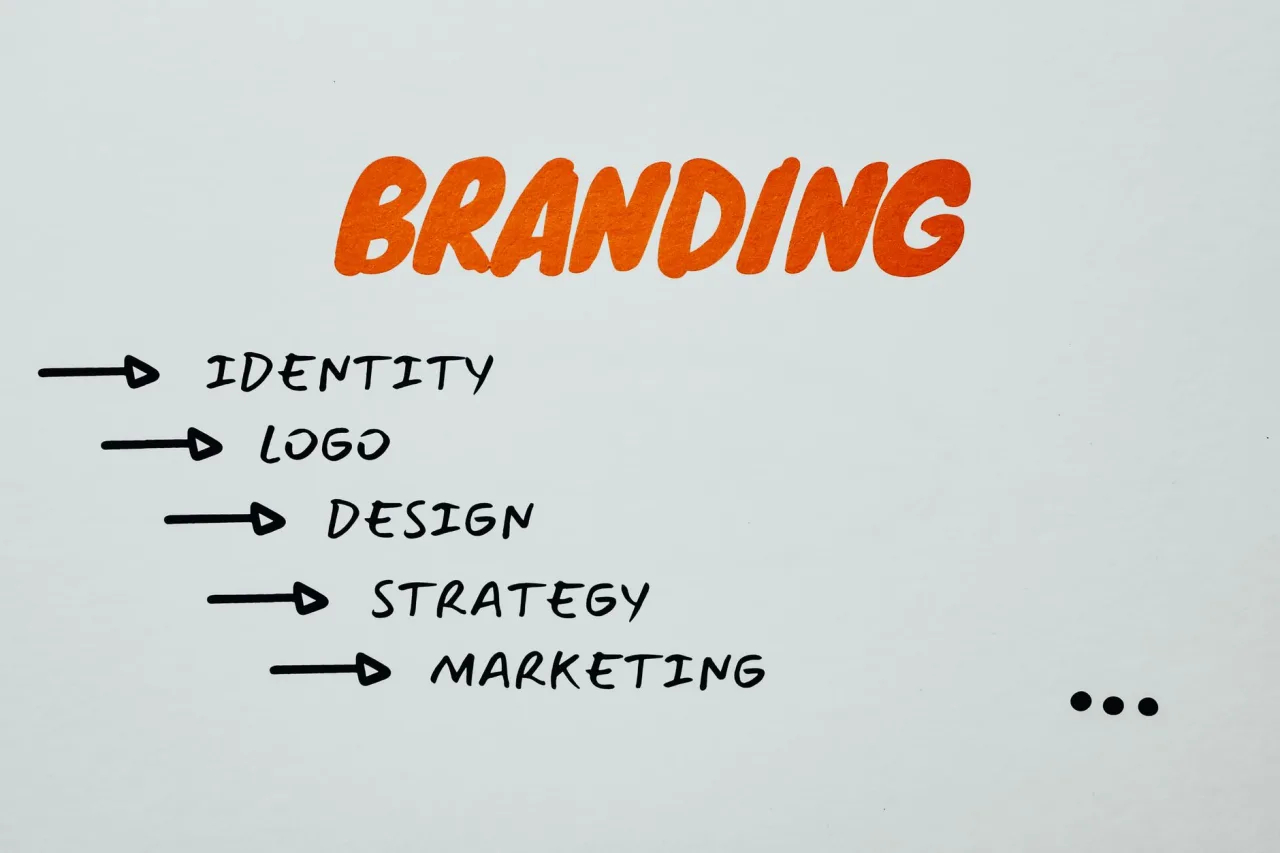
Most firms offer some combination of the following services. Understanding each helps you brief a firm and read their proposals.
- Search engine optimization (SEO): improving a site so it ranks better in organic search. This includes content, technical health, and links, and is detailed in our SEO services guide.
- Search engine marketing and paid ads: running paid search and display campaigns, covered in our search engine marketing guide.
- Content marketing: creating articles, videos, and resources that attract and retain an audience.
- Social media marketing: building presence and running campaigns on platforms your customers use.
- Email marketing: nurturing leads and customers through targeted messages, one of the more cost-effective channels.
- Analytics and reporting: measuring what works so budget shifts toward the channels that perform.
Types of digital marketing firm
Not all firms are the same shape. The main categories are:
- Full-service agencies handle every channel under one roof. Good for businesses that want a single partner, though usually the most expensive option.
- Specialist agencies focus on one area, such as SEO, paid ads, or social. Ideal when you have a specific need and want deep expertise.
- Boutique firms are small teams that offer a personal relationship and flexibility, often for small and mid-size businesses.
- Freelancers and consultants are individuals who take on defined projects. The most affordable route, best for focused tasks rather than large ongoing programs.
There is no single best type. The right answer depends on your budget, the breadth of work, and how hands-on you want to be. Our roundup of the best digital marketing companies digs further into how the tiers compare.
Tip: hire for the gap, not the label
Before you shop for a firm, write down the one or two outcomes you most need, such as more organic traffic or better ad returns. Then hire the firm whose proven strengths match that gap. A specialist that nails your priority usually beats a full-service agency spread thin across everything.
How to choose the right firm

Choosing well comes down to evidence and communication. Work through these steps:
- Define your goal and budget first. A firm can only propose sensibly if you know what success looks like and what you can spend.
- Ask for relevant case studies. Look for results in a similar industry or with a similar challenge, with real numbers rather than vague claims.
- Check how they report. A good firm shows you clear, regular reports tied to your goals, not a monthly wall of jargon.
- Understand who does the work. Find out whether senior staff or juniors will run your account, and whether anything is outsourced.
- Start small. A short pilot project reveals how a firm communicates and delivers before you commit to a long contract.
Warning: red flags to walk away from
Be cautious of any firm that guarantees a number-one Google ranking, promises instant results, refuses to explain its methods, or reports only vanity metrics. Google's own SEO starter guide notes there is no magical shortcut and advises waiting weeks to judge results, so guaranteed overnight rankings are not credible.
In-house, firm, or a mix
Hiring a firm is not the only option, and the best setup is often a blend. Consider these trade-offs:
- A firm gives you a range of specialists and tools without hiring a full team, and scales up or down quickly. You give up some day-to-day control and pay a margin.
- In-house gives you deep knowledge of your own product and full control, but building a team with every needed skill is slow and costly.
- A hybrid keeps strategy and brand knowledge in-house while outsourcing specialist execution, such as technical SEO or ad management. Many growing businesses land here.
Whichever you choose, a written plan keeps everyone aligned. Our marketing strategy playbook walks through building one you can hand to a firm or run yourself.
Start with free tools before you spend
You do not need a firm to begin, and doing some of the work yourself makes you a far better client later. 404Pulse does not sell a marketing service, so this advice is not a sales pitch: start with free tools and learn what moves your numbers.
- Google Search Console shows how you appear in search, which queries bring impressions, and which pages get clicks, all for free.
- Google Analytics tracks where visitors come from and what they do on your site.
- Google PageSpeed Insights checks the loading experience that affects both users and rankings.
- Free SEO and link tools help you spot broken links, thin content, and missing metadata before they cost you traffic.
Running these yourself for a few weeks teaches you which channels matter for your business. Then, if you do hire a firm, you can brief them precisely and hold them accountable to real numbers instead of promises.
Frequently asked questions
What does a digital marketing firm do?
A digital marketing firm plans and runs online marketing for other businesses across channels such as SEO, paid search, social media, email, and content. It turns a business goal into coordinated campaigns and measures the results, so budget flows toward what actually works.
How much do digital marketing firms cost?
Costs vary widely by firm type and scope, from modest freelancer project fees to substantial monthly retainers at full-service agencies. Because pricing depends on your goals and the channels involved, define your budget first and ask each firm for a clear, itemised proposal.
How do I choose a digital marketing firm?
Define your goal and budget, then judge firms on relevant case studies with real numbers, clear reporting tied to your goals, and honesty about timelines. Start with a small pilot project to test communication and delivery before signing a long contract.
Should I hire a firm or build an in-house team?
A firm gives you varied specialists and tools quickly without hiring a full team, while in-house offers deeper product knowledge and control at higher cost. Many growing businesses use a hybrid, keeping strategy in-house and outsourcing specialist execution like technical SEO or ad management.
Can I do digital marketing without a firm?
Yes. Free tools like Google Search Console, Google Analytics, and PageSpeed Insights let you start measuring and improving your marketing yourself. Doing this first teaches you what matters for your business and makes you a much sharper client if you later hire a firm.
More on Content & Marketing
Have a question or a topic to suggest?
We read every message. Tell us what you would like to see next.
Get in touch